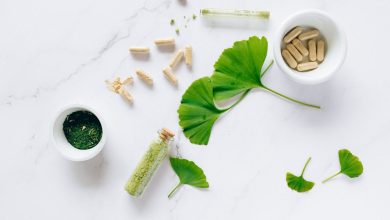
Discover seven herbal wellness brands to know in 2026, comparing supplements, teas and extracts alongside ingredient transparency, sourcing, testing and certifications.
Herbal wellness products now span everything from concentrated liquid extracts to teas and capsules, and brands vary considerably in how much information they provide about ingredients, sourcing and testing. For conscious consumers, that transparency matters as much as the herbs themselves. Whether you prefer a liquid extract, a daily tea or a simple capsule, there is a wide range of formats and formulations to compare. Here are seven herbal wellness brands worth knowing this year, each with its own approach to ingredients, formats and sourcing.
1. SuperBonsai
SuperBonsai makes doctor-formulated herbal wellness supplements built around concentrated liquid extracts rather than standard powders. Its formulas use a 10:1 concentrated extract, which the brand describes as concentrating ten parts raw herb into one part liquid, and it says every batch is third-party lab tested for things like heavy metals and contaminants.
The range is organized around specific goals, such as its Super Liver tincture, which pairs milk thistle with six other botanicals for everyday liver support. Made in the USA in a GMP-registered facility, the tinctures are non-GMO, vegan and sugar-free. The liquid format gives shoppers another option alongside capsules, powders and teas when comparing goal-specific herbal formulas.
2. Gaia Herbs
Founded in 1987, Gaia Herbs grows and sources organic herbs and offers them in formats ranging from liquid Phyto-Caps and tinctures to powders and teas. The brand runs a traceability program called Know Your Gaia Herbs, which lets shoppers look up where the ingredients in a given product were grown and how they were tested.
It is a Certified B Corporation, and it carries USDA Organic and Non-GMO Project Verified certifications on qualifying products, while growing herbs on Regenerative Organic Certified land in North Carolina. Popular options include its ashwagandha and black elderberry supplements.

3. Traditional Medicinals
Traditional Medicinals has been making herbal products since 1974 and offers a familiar tea-based format for people who prefer herbal products as part of an everyday beverage routine. Its lineup includes well-known blends such as Throat Coat and Smooth Move, alongside dozens of other single-herb and functional teas.
The company is a Certified B Corporation with USDA Organic, Fair for Life and FairWild certifications, and it has introduced a 100% compostable tea wrapper to cut down on packaging waste. The tea format offers a different way to incorporate herbal products into an everyday routine.
4. Organic India
Organic India is best known for Tulsi, also called Holy Basil, along with adaptogens like ashwagandha, and it sells teas, capsules and powders. The brand works directly with small family farmers and highlights certifications including USDA Organic, Fair Trade Certified and Regenerative Organic Certified.
That combination gives shoppers more information about how its ingredients are sourced and grown. Tulsi teas are one of the better-known parts of its range.
5. Herb Pharm
Herb Pharm has specialized in liquid herbal extracts since 1979, making it a useful reference point for anyone comparing tincture options. The brand grows herbs on Regenerative Organic Certified farms in southern Oregon, uses USDA Organic ingredients and is a Certified B Corporation.
Its extracts are tested for things like heavy metals and microbes before bottling, and its catalog spans single herbs and blends such as Super Echinacea and black elderberry. The dropper format makes it directly comparable with other liquid-extract brands in the list.
6. Pukka Herbs
Pukka Herbs focuses on organic herbal blends and teas, and it is a strong fit for readers who place particular weight on verified sourcing and sustainability credentials. The brand is a Certified B Corporation, holds organic certification and is certified Fair for Life, and it publishes regular sustainability reporting on its sourcing and environmental practices.
Its blends often draw on Ayurvedic traditions, combining herbs like ginger, turmeric and chamomile. Its combination of herbal teas and verified sourcing credentials gives it a distinct place in this list.
7. Nature’s Way
Nature’s Way is a widely available, mainstream herbal brand with a broad product range that has been around since 1969. Its catalog spans capsules, gummies, softgels and liquids across herbal supplements, immune support and everyday wellness, including its well-known Sambucus black elderberry line.
The company points to its Know What’s In Your Bottle message and PureCheck program as part of its approach to quality. Its broad range and long history make it a useful example of a more mainstream herbal supplement brand.
Edible Pond Plants: Combining Aesthetics with Homegrown Produce
How to choose an herbal wellness brand
Choosing an herbal wellness brand comes down to a few practical questions. Think about the format that fits your routine, whether that is a daily tea, a capsule or a concentrated liquid extract, and check how transparent the brand is about its ingredients and sourcing.
Where it is relevant, look at extract or concentration information so you know what you are actually getting, and look for clear information about third-party testing, certifications and sourcing where those factors matter to you.
Herbal and plant-based products are not automatically safer or more effective than other options, so it helps to read labels closely and, if you take medication or have a health condition, to speak with a healthcare professional first. The most useful comparison is often the one that considers format, ingredients, transparency and how the product would fit into an existing routine.
DISCLAIMER
This article is intended for general informational and educational purposes only and should not be considered medical advice. Herbal and plant-based products are not automatically safe or effective for everyone, and supplements may interact with medications or health conditions. Product formulations, certifications, testing practices, and availability may also change over time. Always review current product information and consult a qualified healthcare professional before introducing supplements into your routine, particularly if you take medication, have a health condition, or are pregnant or breastfeeding.